When two people need to communicate and share no common language, something remarkable can happen: they start building one. Not through deliberate design or committee agreement — through the immediate, pragmatic pressure of needing to be understood right now. The result is called a pidgin, and it’s one of the most vivid demonstrations of what language actually is at its core.
Pidgins have formed wherever different language groups have been forced into sustained contact — trade routes, colonial labor camps, plantations, seaports. They’re not chaotic or broken; they’re lean, efficient, and rule-governed. They’re just built for survival, not literature. Understanding what distinguishes a pidgin from a dialect is part of understanding the full spectrum of how language varieties form.
What Makes a Pidgin
A pidgin is a contact language that develops when speakers of two or more mutually unintelligible languages need to communicate regularly and no one has time to learn the other’s language fully. Pidgins typically draw most of their vocabulary (the word stock) from one language, called the lexifier or superstrate — usually the dominant language in the contact situation, often a colonial or trade power’s tongue. The grammar, however, tends to be dramatically simplified compared to either parent language, and it often shows strong influence from the grammar of the substrate languages spoken by the non-dominant group.
Crucially, a pidgin is a second language for everyone who uses it. Nobody grows up speaking a pidgin as their native tongue. It’s a tool that people reach for when they meet — and set aside when they go home to their communities.
Because it’s designed for immediate communication rather than full expressive range, pidgins are often limited in what they can do. Vocabulary tends to be smaller. Grammar tends to handle a narrower range of situations. Complex ideas get expressed through simple structures and context.
Where Pidgins Came From
The word “pidgin” itself is thought to be a Chinese Cantonese rendering of the English word “business” — a fitting etymology for a language born of commerce and necessity. The phenomenon is ancient, but it intensified enormously during the age of European colonialism, when Spanish, Portuguese, French, English, and Dutch speakers were suddenly in contact with populations across Africa, Asia, and the Americas who had no prior exposure to these languages.
Tok Pisin, spoken in Papua New Guinea and now one of that country’s official languages, evolved from an English-based pidgin that formed in the late 19th century as Melanesian workers from different islands — speaking dozens of mutually unintelligible indigenous languages — were brought together on Queensland sugar plantations and needed a way to communicate with each other and with English-speaking overseers. Today it’s a rich, expressive language with millions of speakers.
Nigerian Pidgin English emerged from West African trade contact with English speakers starting in the 17th century. It’s now spoken by tens of millions of Nigerians as a day-to-day communication tool across ethnic and linguistic boundaries — a lingua franca in a country with over 500 native languages, many of which belong to entirely separate language families.
Haitian Creole — which brings us to the next stage.
When a Pidgin Becomes a Creole
The most dramatic thing that can happen to a pidgin is that children start growing up speaking it as their first language. When that happens, something extraordinary occurs: the language expands, naturally and spontaneously, to fill all the expressive needs a full native language requires.
A pidgin that has acquired native speakers is called a creole. Creoles are not simplified or impoverished versions of their lexifier language. They are fully developed languages with complete grammatical systems, large expressive ranges, and all the complexity that children need to make language their primary cognitive tool.
This process — called creolization — happens remarkably quickly on a historical scale. Within one to two generations of children acquiring a pidgin as a first language, a creole emerges. Linguist Derek Bickerton argued that this rapid expansion reveals something about universal properties of human language: children seem to supply, from some innate grammatical template, the structures the pidgin was missing.
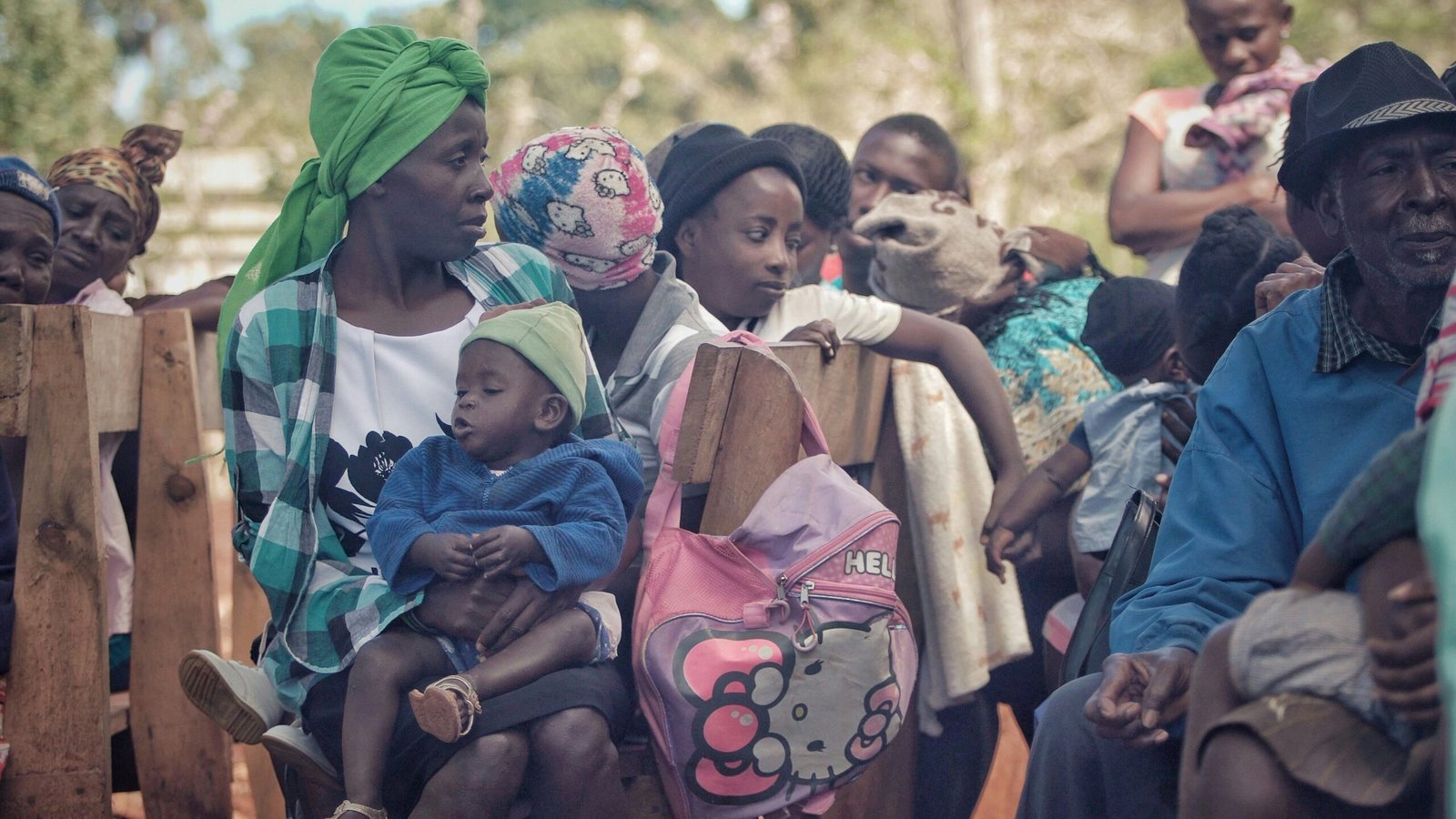
Haitian Creole emerged from French-based pidgins spoken by enslaved Africans brought to Haiti, who spoke many different West African languages. Enslaved people needed a common language, and what developed was eventually a creole. Today Haitian Creole is spoken by virtually the entire population of Haiti — around 12 million people — and has its own literature, official status, and distinct identity.
Pidgins Are Not “Bad” Versions of Real Languages
It’s tempting to think of pidgins as degraded or incompetent forms of whatever language they draw their vocabulary from. This is wrong, and it’s important to say so clearly.
A pidgin is a purpose-built tool that does exactly what it needs to do. It follows consistent rules — just different rules than its lexifier. Its grammar often preserves features from substrate languages invisible in the dominant language. And it represents genuine creativity: groups of people who couldn’t understand each other constructed a shared system, sometimes within a matter of years.
Dismissing pidgins as “broken English” or “broken French” mirrors the same mistake as dismissing dialects as errors. The linguistic machinery is working perfectly. It’s just serving a different community, in a different context, with different needs. And when the community that speaks a pidgin disappears, the language itself may be lost — making pidgin communities some of the most vulnerable in the story of language death.
What This Means for You
Pidgins and creoles are windows into how language works at its most fundamental level. When we watch a pidgin form, we’re watching language being built in real time — stripped down to its essentials, then rebuilt by the next generation into something complete.
They also challenge comfortable assumptions about which languages “count.” A creole that emerged on a plantation two hundred years ago is as much a real language as the French or English it borrowed from. It has rules, it has speakers, it carries culture and history. The only thing it often lacks is prestige — and that’s a political fact, not a linguistic one.
When you hear a creole, you’re not hearing language going wrong. You’re hearing language doing exactly what language does.