-

What Happens in Your Mouth When You Speak?
Speech is a physical act. Here’s a tour of the tongue, teeth, lips, and palate — and how they team up to turn breath into words.
-

Can AI Actually Understand Language?
AI produces fluent, contextually appropriate language — but does that mean it understands? Linguists and philosophers have a lot to say about this question.
-

What Does AI Reveal About Human Language?
AI systems have become unexpected tools for understanding human language. What they learn easily — and what stumps them — tells us something profound about how language works.
-
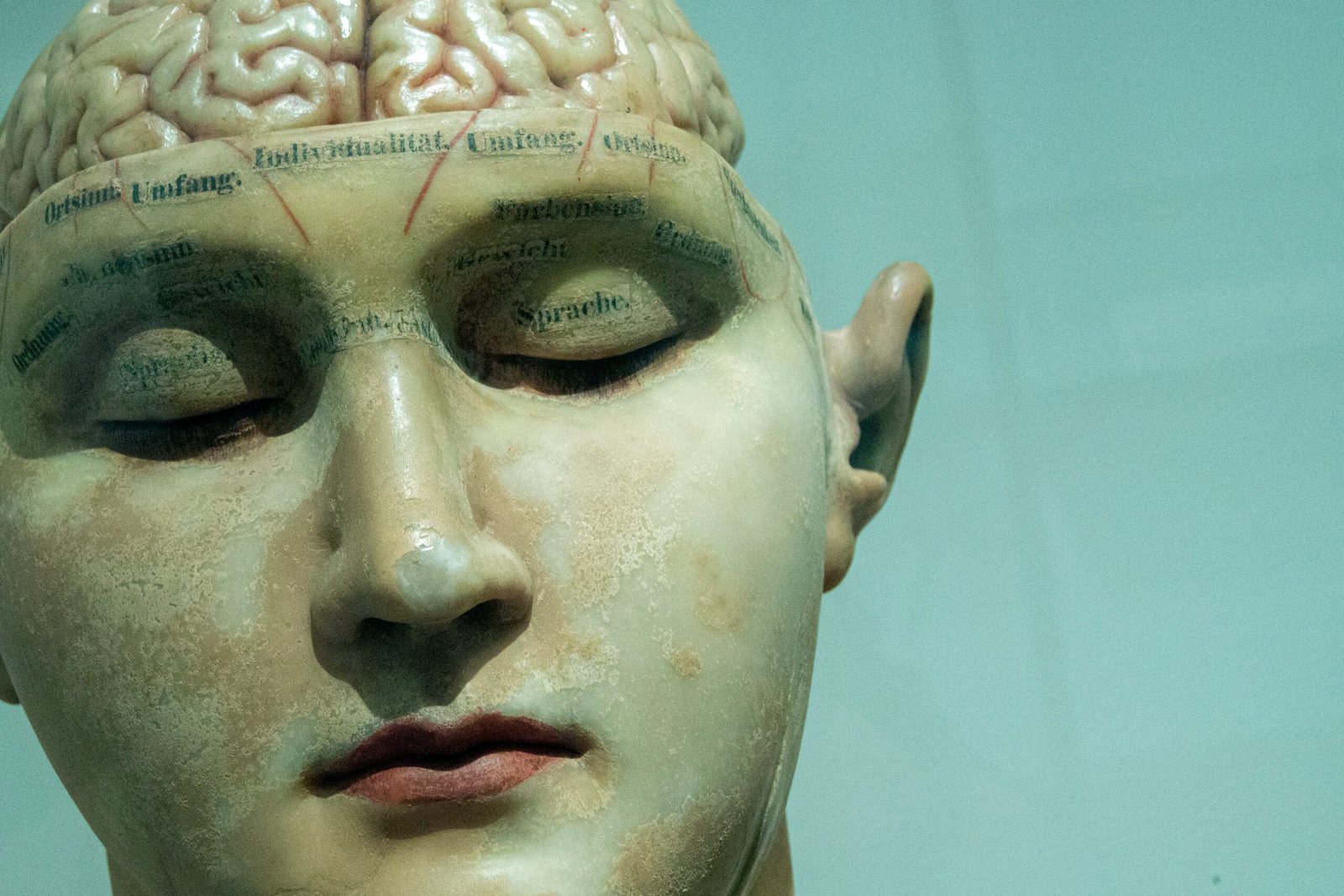
Does AI Think in Language?
Humans think in language — or do they? And when AI processes tokens, is that anything like thought? The question turns out to be stranger than it first appears.
-

What Is Pragmatics?
Pragmatics explains how context shapes what language actually means. From Grice’s maxims to speech acts, here’s why words never quite speak for themselves.
-

What Is Syntax?
Syntax is the set of rules that determines how words combine into sentences. It’s why some strings of words make sense and others don’t — even when the words are real.