-

What Is a Dialect, and How Is It Different from a Language?
The line between a dialect and a language is less scientific than you think. Here’s what linguists actually mean — and why the distinction often comes down to politics.
-

What Is Language Stimulus-Freedom?
Stimulus-freedom means humans can say anything in response to any situation. No other animal communication system works this way — and it has profound implications.
-
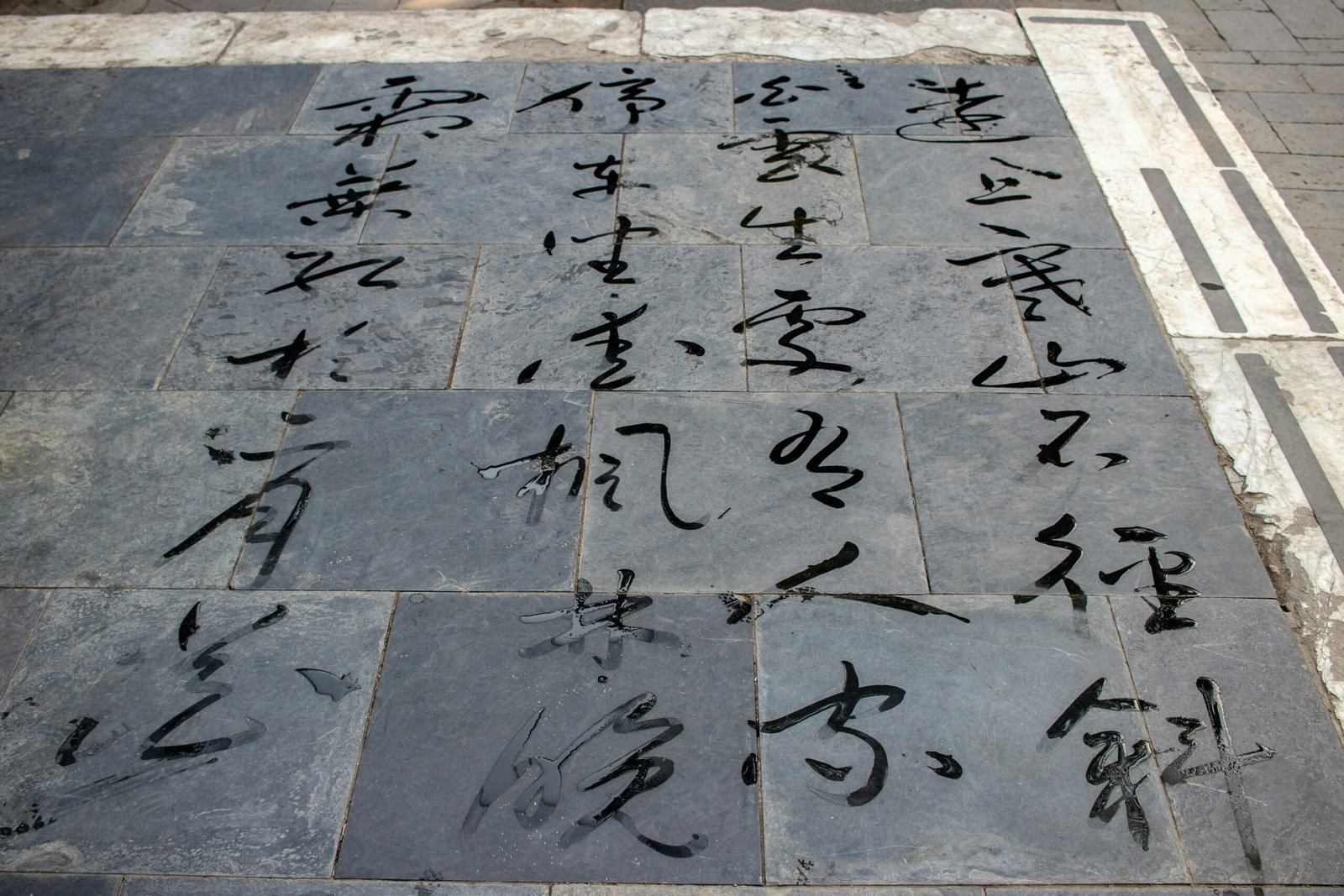
What Is a Phoneme?
A phoneme is the smallest unit of sound that changes meaning in a language. Here’s what that means, why it matters, and how it shapes the way you hear and speak.
-
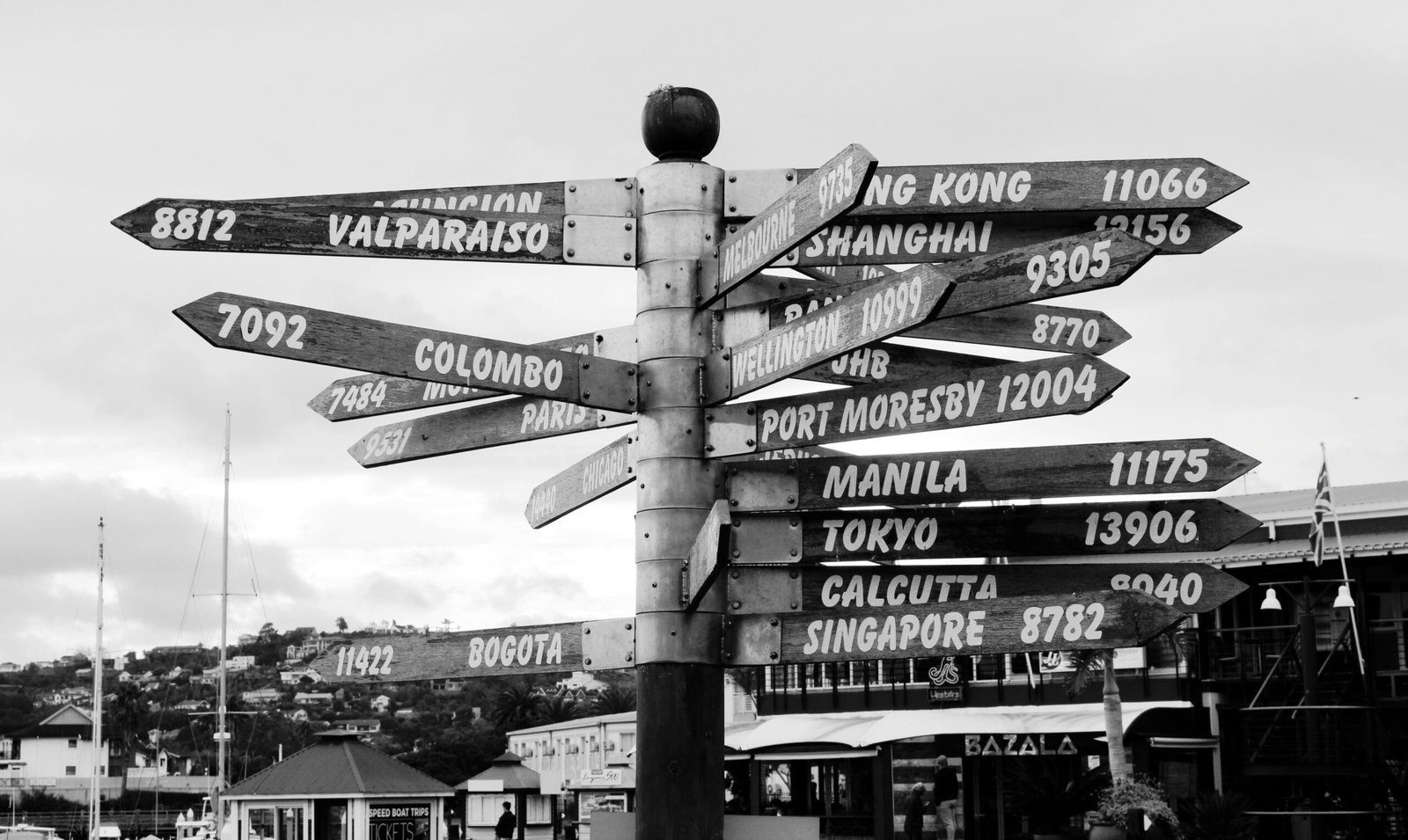
What Is Language Displacement?
Displacement is the ability to talk about things not present in time or space. It’s one of the features that makes human language unlike any animal communication system.
-
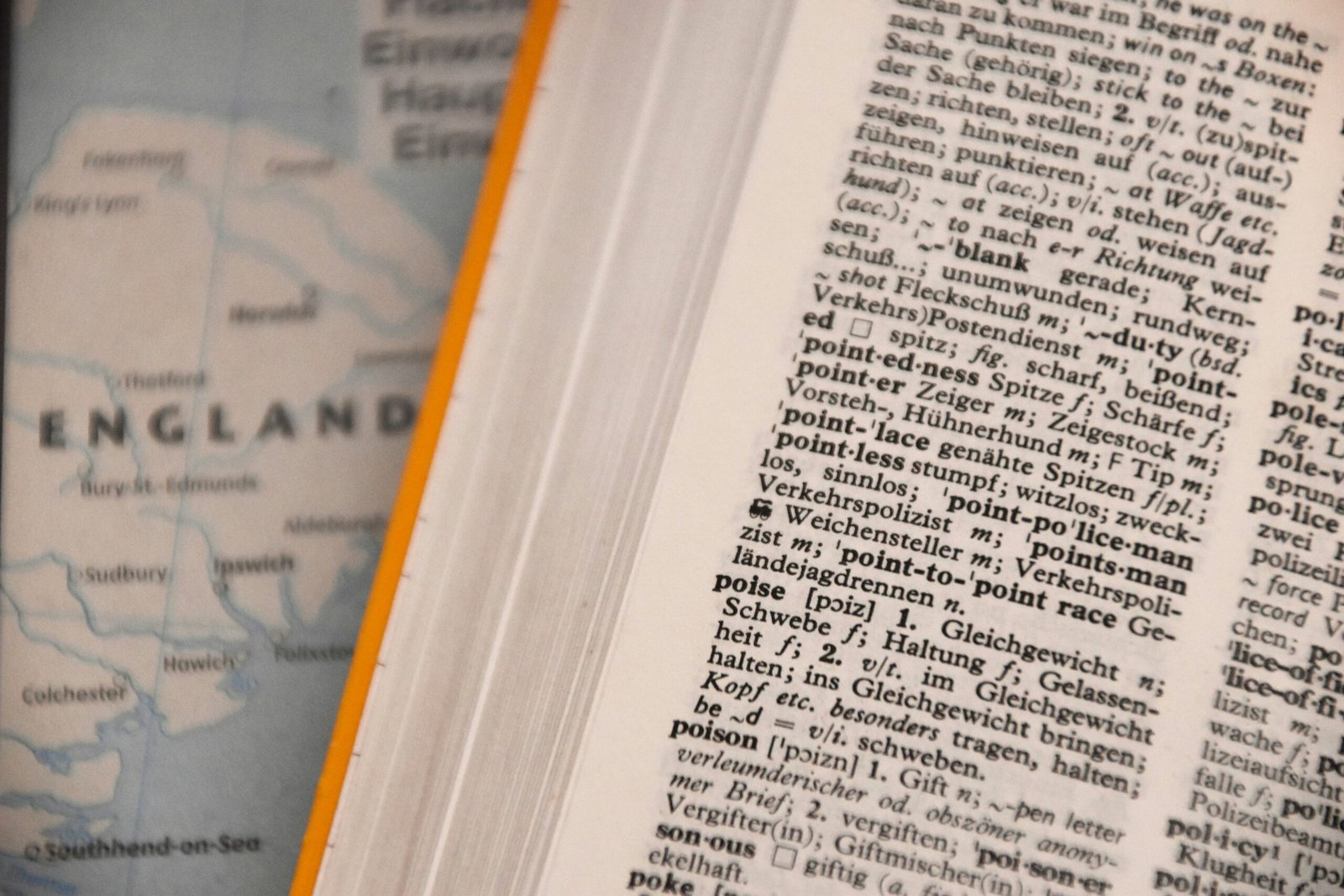
Why Is Language Translation So Hard?
Translation is more than swapping words between languages. Here’s why even professional translators struggle — and what gets lost along the way.
-
What Is Language Open-Endedness?
Open-endedness means you can produce and understand sentences you’ve never heard before. It’s the feature that makes human language essentially infinite.